
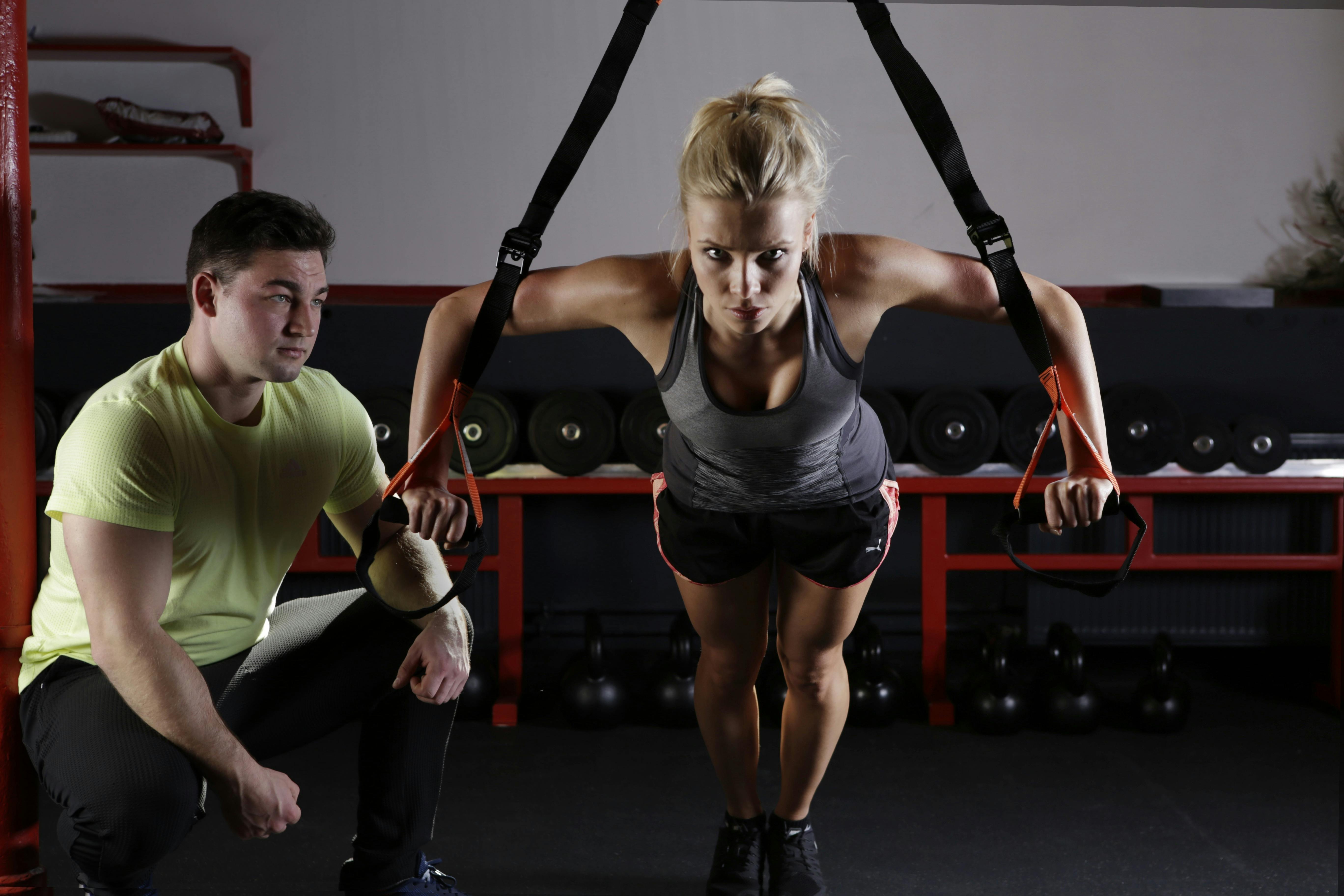
In the competitive world of fitness training, coaches are constantly seeking ways to streamline their operations and improve client engagement. Customer Relationship Management (CRM) software has become an indispensable tool in this quest. For those in the fitness industry, a specialized CRM can transform the way you manage your business, interact with clients, and track progress. Here’s a look at the top five features that every fitness coach needs in a CRM system, focusing on how these can enhance both business efficiency and client satisfaction.
#### 1. Comprehensive Client Profiles
A robust CRM system should allow fitness coaches to create and maintain detailed client profiles. These profiles should include not only basic contact information but also in-depth data on fitness assessments, health history, workout preferences, and progress tracking. This feature ensures that all client information is easily accessible, facilitating personalized training plans and enabling better client management.
**SEO Keywords: “client profiles in fitness CRM,” “personalized training plans”**
#### 2. Advanced Scheduling System
Scheduling is at the heart of a fitness coach’s day-to-day operations. A CRM designed for fitness professionals should include a user-friendly, flexible scheduling tool that integrates personal and client calendars. This system should allow clients to book their sessions online, with automatic updates and reminders sent to both the coach and the client. This not only improves client service but also significantly reduces no-shows and cancellations.
**SEO Keywords: “CRM scheduling for fitness,” “online booking for personal training”**
#### 3. Progress Tracking and Analytics
To keep clients motivated and on track, fitness coaches need to be able to monitor and analyze their clients’ performance over time. A fitness CRM should offer intuitive tools for tracking various metrics such as weight, body measurements, exercise progress, and dietary habits. Visualization of this data through graphs and progress bars can help clients see their progress, enhancing their motivation and adherence to their fitness plans.
**SEO Keywords: “fitness progress tracking,” “client performance analytics”**
#### 4. Communication and Engagement Tools
Effective communication is crucial for client retention. A CRM for fitness coaches should facilitate seamless communication through integrated messaging systems, email, and SMS capabilities. Features like automated birthday messages, workout reminders, and motivational emails can help keep clients engaged and committed to their fitness goals.
**SEO Keywords: “client engagement in fitness,” “CRM communication tools”**
#### 5. Mobile Optimization
Given the on-the-go nature of most fitness professionals and their clients, a CRM must be fully optimized for mobile devices. This includes having a responsive design that is easy to navigate on a smartphone or tablet and offers full functionality across devices. Mobile optimization ensures that coaches and clients can interact with the CRM from anywhere, whether in the gym, at home, or on the move.
By focusing on these essential features, fitness coaches can leverage CRM technology to not only streamline their administrative tasks but also deliver a personalized and impactful training experience. This leads to better client retention, improved results, and ultimately, a more successful fitness business.
No comments on Top 5 Features Every Fitness Coach Needs in a CRM
Top 5 Features Every Fitness Coach Needs in a CRM

 Active CRM